
Nov 27, 2025
Hey there! As a supplier of Axle Load Testers, I often get asked about the differences between domestic and imported ones. So, I thought I’d write this blog to break it all down for you.

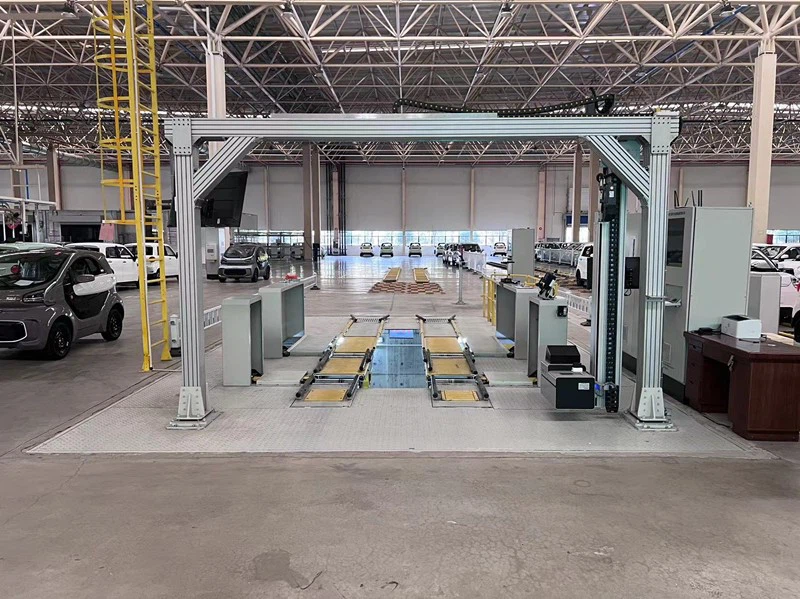
Let’s start with the basics. An Axle Load Tester is a crucial piece of equipment used to measure the weight on each axle of a vehicle. This information is super important for ensuring that vehicles are within legal weight limits, which helps prevent overloading and potential damage to roads and bridges.
Quality and Reliability
One of the first things people usually ask about is the quality and reliability of domestic vs. imported Axle Load Testers. In general, imported Axle Load Testers are often perceived as having higher quality. This is because many foreign manufacturers have been in the game for a long time and have a reputation for using top – notch materials and advanced manufacturing processes.
For example, some European manufacturers are known for their precision engineering. They invest a lot in research and development to make sure their products are as accurate as possible. Their Axle Load Testers can often measure weights with a very high degree of precision, which is crucial for industries where even a small error in weight measurement can lead to big problems.
On the other hand, domestic Axle Load Testers have come a long way in recent years. Many domestic suppliers have been improving their manufacturing techniques and quality control systems. They’ve been able to produce Axle Load Testers that are quite reliable and accurate. In fact, in some cases, domestic testers can offer a comparable level of performance to imported ones at a more affordable price.
Price
Price is always a major factor when it comes to purchasing any piece of equipment, and Axle Load Testers are no exception. Imported Axle Load Testers usually come with a higher price tag. There are several reasons for this. First, there are the costs associated with importing, such as shipping, customs duties, and taxes. These additional costs can significantly increase the final price for the buyer.
Second, as mentioned earlier, imported testers are often associated with higher quality, and manufacturers charge a premium for that. They’ve spent a lot of money on research, development, and brand building, and they pass some of those costs on to the customers.
Domestic Axle Load Testers, on the other hand, are generally more budget – friendly. Domestic suppliers don’t have to deal with the same import – related costs, and they can often take advantage of local resources and a lower cost of labor. This allows them to offer competitive prices without sacrificing too much on quality.
Customization
Another aspect to consider is customization. Different customers may have different requirements for their Axle Load Testers. For example, some may need a tester that can handle very heavy vehicles, while others may need a more portable model for on – the – go testing.
Imported Axle Load Testers may offer a wider range of standard models and options, but they can be less flexible when it comes to customization. Since they are often mass – produced in large factories overseas, it can be difficult and expensive to make significant modifications to the design.
Domestic suppliers, on the other hand, are often more willing and able to customize their products to meet the specific needs of their customers. They can work closely with you to understand your requirements and make the necessary adjustments to the design, features, or functionality of the Axle Load Tester. This can be a huge advantage if you have unique testing needs.
After – sales Service
After – sales service is crucial when you’re buying any piece of equipment. You want to know that you’ll be able to get support if something goes wrong with your Axle Load Tester.
Imported Axle Load Testers can sometimes have issues when it comes to after – sales service. Since the manufacturers are located overseas, it can take longer to get replacement parts and technical support. There may also be language barriers and differences in time zones, which can make communication difficult.
Domestic suppliers, on the other hand, can offer more responsive after – sales service. They’re usually located closer to their customers, which means they can get replacement parts to you faster and send technicians to your location more quickly if needed. They also understand the local market and regulations better, which can be helpful when it comes to servicing and maintaining the equipment.
Technology and Innovation
When it comes to technology and innovation, imported Axle Load Testers often lead the way. Many foreign manufacturers are at the forefront of developing new technologies for weight measurement. They’re constantly working on improving the accuracy, speed, and functionality of their testers.
For example, some imported testers may come with advanced features like wireless connectivity, which allows you to transfer weight data directly to a computer or mobile device. They may also have more sophisticated software for data analysis and reporting.
However, domestic suppliers are not far behind. They’re also investing in research and development to keep up with the latest trends. In fact, some domestic companies have been able to develop innovative solutions that are specifically tailored to the local market’s needs.
Compatibility with Local Regulations
In different regions, there are different regulations regarding vehicle weight limits and testing procedures. Imported Axle Load Testers may not always be fully compatible with local regulations. They may be calibrated according to different standards or have features that are not relevant to the local market.
Domestic suppliers, on the other hand, are more likely to be familiar with the local regulations. They can ensure that their Axle Load Testers are calibrated and configured to meet the specific requirements of the local authorities. This can save you a lot of hassle and potential legal issues in the long run.
So, what’s the bottom line? Well, there’s no one – size – fits – all answer when it comes to choosing between domestic and imported Axle Load Testers. It really depends on your specific needs, budget, and preferences.
If you’re looking for the highest level of quality and the latest technology, and you’re willing to pay a premium for it, an imported Axle Load Tester might be the right choice for you. But if you’re on a tight budget, need a lot of customization, or want more responsive after – sales service, then a domestic Axle Load Tester could be a better option.
If you’re interested in learning more about our Axle Load Testers or have any questions about the differences between domestic and imported models, don’t hesitate to reach out. We’re here to help you make the best decision for your business.
References
- Industry reports on Axle Load Tester manufacturing and market trends.
- Interviews with Axle Load Tester users and industry experts.